
Conversion rate optimization (CRO) marketing helps businesses turn more website visitors into customers, leads or subscribers. Instead of focusing solely on generating additional traffic, CRO focuses on improving the performance and actions of the traffic a business already has in place. Whether the goal is increasing ecommerce purchases for a product seller or generating qualified leads for a service-based company, conversion rate optimization can improve marketing efficiency and overall return on investment.
Understanding conversion rate optimization is essential for businesses investing in digital marketing. Site traffic alone does not guarantee results. A website may attract thousands of visitors every month, but if users are not taking meaningful action, marketing performance suffers. CRO marketing helps identify why users are not converting and what changes can improve the customer journey and lead to connections and sales.
At its core, conversion rate optimization involves analyzing user behavior, testing website elements and reducing friction that prevents visitors from taking action. These actions may include purchasing a product, requesting a consultation, downloading an informational guide or signing up for a newsletter. The CRO meaning in marketing is to improve these conversion opportunities through data-driven decision-making.
Businesses that prioritize conversion rate optimization often improve revenue without dramatically increasing advertising budgets. By refining user experiences and making websites more effective, brands can maximize the value of every visitor who lands on their site.
Why Conversion Rate Optimization Matters

Many businesses spend significant resources on SEO, paid media, email marketing and social campaigns designed to drive traffic. However, without a strong CRO marketing strategy, even high traffic numbers can produce disappointing results.
Conversion rate optimization helps businesses understand how users interact with their websites, where they drop off, and what motivates them to convert. This insight allows marketing teams to make more strategic decisions that improve website user performance and qualified leads or sales over time.
Effective CRO marketing can help businesses:
- Increase online sales
- Generate higher-quality leads
- Improve customer engagement
- Reduce bounce rates
- Lower customer acquisition costs
- Strengthen the user experience
- Motivate users to complete form-fills
Unlike short-term marketing tactics, conversion rate optimization supports long-term growth by improving the efficiency of digital experiences. Even small improvements to landing pages, online sign-up or “contact me” forms or calls-to-action can significantly impact conversion rates.
Understanding CRO Across the Funnel
One of the most important aspects of CRO marketing is recognizing that not every business converts customers in the same way. Ecommerce companies and service-oriented businesses often require very different conversion strategies because their customer journeys are unalike.
Some businesses focus heavily on bottom of the funnel optimization, where users are ready to make a purchase. Others rely more on top of funnel marketing, where the goal is educating prospects and nurturing leads over a longer sales cycle.
Understanding where your audience resides and reaches decisions within the funnel helps shape a more effective conversion rate optimization strategy.
Ecommerce Conversion Rate Optimization and Bottom of the Funnel Strategy

Ecommerce conversion rate optimization typically focuses on bottom of the funnel behavior. By the time users reach a product page or shopping cart, they are often close to making a purchase decision. The primary CRO goal becomes reducing friction and helping users complete the transaction as efficiently as possible.
For ecommerce brands, even minor usability issues can impact conversions. A slow-loading checkout page, inconsistent product details, unclear shipping information or complicated payment processes may cause users to abandon their carts before completing a purchase.
As a result, ecommerce CRO strategies often focus on improving the customer purchase experience. This may include simplifying navigation, strengthening product descriptions, improving mobile functionality, brand and product benefit messaging near checkout, and streamlining checkout flows.
Strong product photography, visible customer reviews and transparent pricing can also influence purchasing decisions. Many ecommerce businesses use A/B testing to compare product page layouts, CTA placements or promotional messaging to determine which versions generate stronger conversion rates.
Mobile optimization is especially important for ecommerce conversion rate optimization. With many consumers shopping directly from mobile devices, brands need websites that load quickly, function smoothly and make checkout simple on smaller screens.
Bottom of the funnel CRO is highly performance-driven because users are already close to converting. The focus is on eliminating obstacles that interrupt the buying process and improving the overall customer experience.
Do Not Discount Top of Funnel Ecommerce
Notwithstanding, top of funnel CRO holds much importance for ecommerce product brands as well. It is essential to build a marketing plan that accounts as much for top of funnel marketing as it does for bottom of funnel marketing. Without top of funnel promotions and strategy – which often introduce brands and product options to online shoppers – it is quite possible potential customers may not know a brand, business or product exists.
Think of top of funnel messaging as generating brand awareness and trust proof, whereas bottom of funnel messaging helps motivate buyers to finalize their decisions to act or purchase. Both work in tandem.
Do not discount top of funnel marketing just because it is more challenging to track results. Omit top of funnel, and watch bottom of funnel results decrease.
CRO Marketing for Service-Based Businesses
Service-oriented businesses often require a different CRO approach because conversions usually happen over a longer period of time. Unlike ecommerce purchases, services often involve higher consideration, additional research and multiple touchpoints before a customer decides.
For this reason, CRO marketing for service businesses tends to focus more heavily on top of funnel marketing and lead generation.
Instead of driving immediate purchases, conversion goals may include filling out a contact form, booking a consultation, subscribing to an email list or downloading a white paper or other resource. These smaller conversion actions help move users through the sales funnel surely but gradually.
Top of funnel marketing plays a major role in this process. Educational blog content, case studies, webinars, FAQs and service guides can help establish trust and position a business as a credible solution provider.
For service-based businesses, strong messaging is often more important than aggressive sales tactics. Visitors need to understand the company’s expertise, value proposition and process before committing to a consultation or proposal.
Effective CRO strategies for service businesses often focus on creating clear landing pages, simplifying lead forms and strengthening trust signals. Testimonials, client success stories and transparent communication can help reduce hesitation and encourage users to take the next step.
Because the sales cycle is longer, service businesses should focus on building relationships throughout the funnel rather than optimizing exclusively for immediate conversions.
Top of funnel marketing should be incorporated such that it guides prospects toward brand trust and motivates them to connect with the business. From there, sales managers can convert leads to customers or clients through bottom of funnel messaging and connections.
Building a Strong CRO Marketing Strategy
Successful conversion rate optimization strategies are built around continuous analysis and refinement. CRO is not a one-time website update. It requires ongoing testing, performance monitoring and adjustments based on user behavior.
The first step in any CRO marketing strategy is understanding how visitors currently interact with the site. Businesses commonly use analytics platforms, heatmaps and session recordings to identify friction points and areas where users disengage.
Metrics such as bounce rates, form completions, cart abandonment and conversion percentages can reveal opportunities for improvement. Once problem areas are identified, businesses can begin testing solutions designed to improve performance.
Website usability is another major component of conversion rate optimization. Complicated navigation, cluttered layouts and slow page speeds can negatively impact conversions even when traffic levels are strong. Simplifying the user experience often improves engagement and helps users move through the funnel more efficiently.
Calls-to-action also play a critical role in CRO marketing. Strong CTAs provide clear direction and encourage users to take the next step. Whether the goal is scheduling a consultation or completing a purchase, CTA language should feel specific, visible and action-oriented.
A/B testing remains one of the most effective conversion rate optimization tools available. Testing different headlines, layouts, form lengths or CTA wording allows businesses to make data-backed decisions rather than relying on assumptions. Over time, consistent testing can lead to measurable improvements in conversion performance.
Conversion Rate Optimization Tools and Services
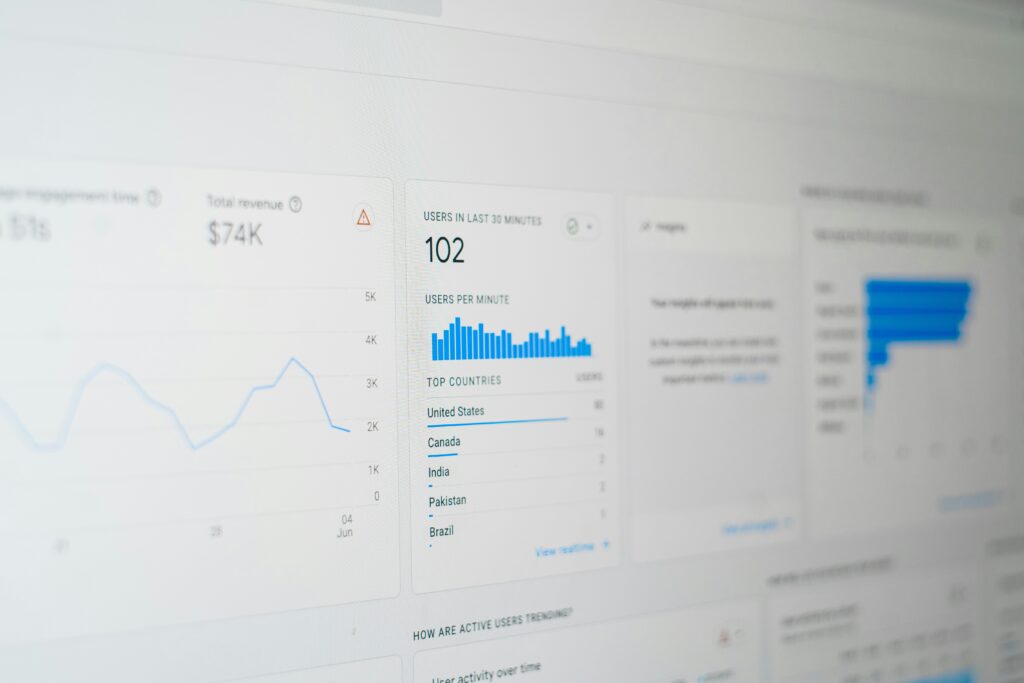
The right conversion rate optimization tools can help businesses better understand user behavior and identify opportunities for growth. Analytics platforms provide visibility into traffic patterns and conversion paths, while heatmapping and session recording tools show how users interact with specific pages.
Many businesses also invest in conversion rate optimization services or partner with a conversion rate optimization agency to support more advanced CRO initiatives. A CRO agency can provide expertise in testing strategy, user experience optimization and funnel analysis while helping businesses scale their marketing performance more efficiently.
A professional CRO agency may assist with:
- Landing page optimization
- A/B testing programs
- Funnel analysis
- User behavior reporting
- UX recommendations
- Lead generation optimization
- Ecommerce conversion improvements
- Website and Shopify updates
When evaluating conversion rate optimization services, businesses should look for agencies with strong analytical capabilities, transparent reporting and experience within their industry, like Eberly & Collard Public Relations.
Measuring CRO Marketing Success
Measuring the success of CRO marketing requires ongoing performance tracking. Conversion optimization is not static because user behavior, market trends and customer expectations continue to evolve over time.
Businesses should regularly monitor key performance indicators such as:
- Conversion rates
- Bounce rates
- Cart abandonment
- Lead form completions
- Customer acquisition costs
- Landing page performance
Consistent reporting helps businesses identify trends, uncover new opportunities and make informed adjustments to their CRO strategies.
Over time, even incremental improvements can create substantial business impact. Small increases in conversion rates often lead to stronger revenue growth, more qualified leads and improved marketing efficiency overall.
Final Thoughts on CRO Marketing
Conversion rate optimization is not just about increasing clicks or adjusting website layouts. Effective CRO marketing helps businesses create stronger digital experiences that guide users toward meaningful action, whether that means completing a purchase, requesting a consultation or engaging with a brand over time.
The most successful CRO strategies are built around understanding user behavior, refining the customer journey and continuously improving performance through testing and analysis. As customer expectations continue to evolve, businesses that invest in conversion rate optimization will be better positioned to improve marketing performance and create more effective online experiences that lead to sales.
Businesses looking to strengthen their CRO marketing strategy can explore Eberly & Collard Public Relations’ digital marketing services to learn more about conversion-focused website strategy, lead generation and digital marketing support.
