
Trade shows remain one of the most effective environments for business-to-business (B2B) companies to build relationships, strengthen brand visibility and generate high-value leads. That said, simply exhibiting at a trade show in a booth is no longer enough to stand out in the crowd. Attendees expect meaningful interactions, purposeful storytelling and experiences that help them understand the real impact of products or services.
This is where experiential marketing, a marketing strategy that engages the customer through immersive or memorable experiences, comes in. Businesses can leverage experiential marketing strategies into their overall trade show marketing plan to create noteworthy interactions with trade show booth attendees, boost customer experience, drive lead generation and achieve measurable return on investment (ROI).
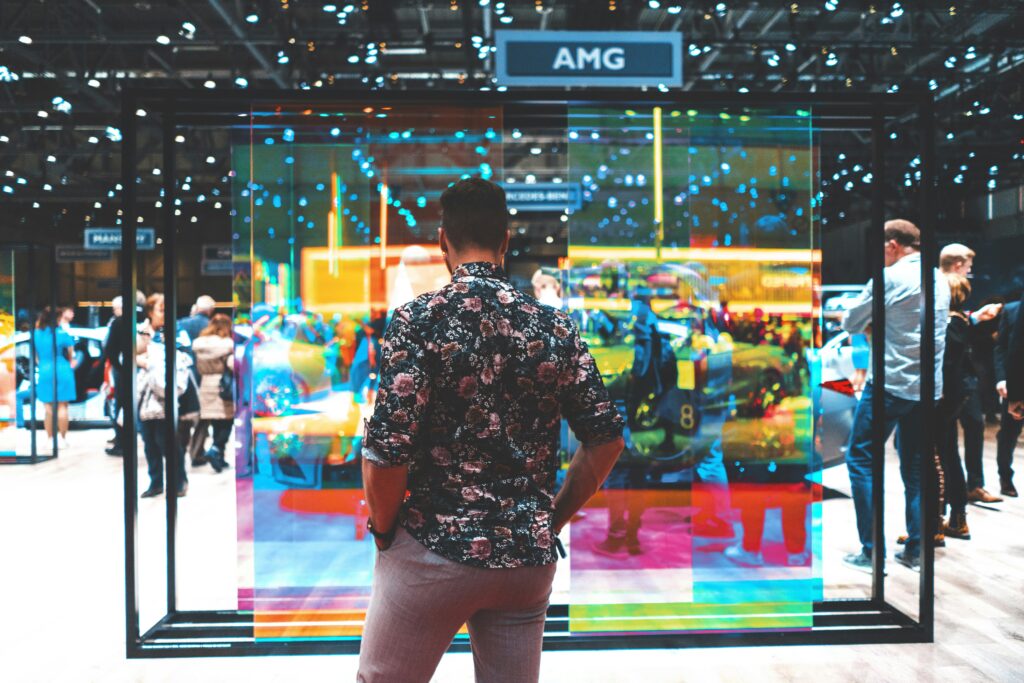
What Is Experiential Marketing for Trade Shows?
Experiential marketing at trade shows focuses on creating immersive, participatory encounters at an exhibit booth that help prospects or leads experience a brand firsthand. Instead of telling attendees what a business offers, this discovery-based approach allows them to explore, test or engage with it in a way that feels memorable and relevant.
This can take many forms, such as:
- Immersive booth design that encourages exploration.
- Hands-on product demonstrations or guided walk-throughs.
- Digital elements like virtual reality (VR) and augmented reality (AR), interactive screens or data-driven engagement tools.
Behind every strong experiential program is a well-planned strategy—often supported by a trade show marketing agency, like Eberly & Collard Public Relations, that understands how to align creative concepts with business goals, audience behaviors and measurable outcomes.
Strategies to Maximize ROI with Experiential Marketing
There are nearly countless ways to execute trade show experiential marketing. This section breaks down practical and high-impact experiential marketing strategies exhibitors can use to strengthen engagement and ROI.
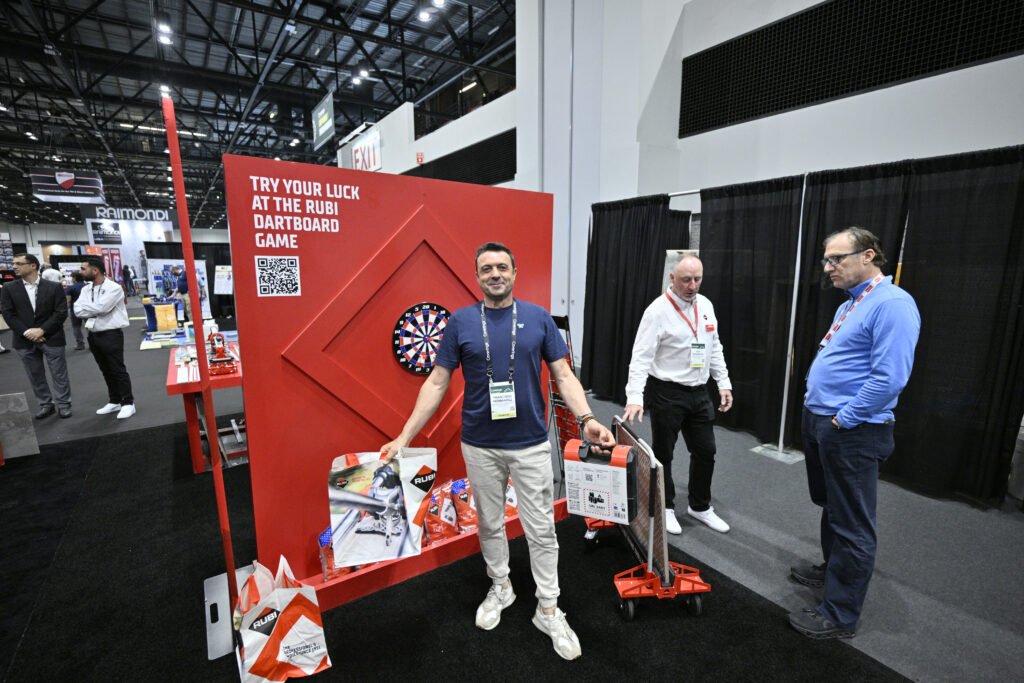
- Interactive Technology & Gamification
Digital engagement tools—like touchscreen quizzes, product comparison tools or AR experiences—offer dual benefits. They attract traffic and organically capture data, allowing sales and marketing teams to measure interaction length, preferences and intent. Additional non-digitized gamification strategies to increase booth attendance and gather lead information could include simple in-booth games for small prizes and raffles in which attendees enter their information for a chance to win. – The raffle winners could be announced daily throughout the trade show’s duration, or multiple winners could be announced during a “Happy Hour” held in the exhibit booth to attract leads to the booth.
- Immersive Booth Environments
Designing a booth that feels dynamic and sensory-driven helps attendees understand a business’ value more intuitively. Elements such as VR walkthroughs, live demonstrations or spaces designed to replicate real-world product usage environments give prospects a clearer picture of how the brand’s solution fits into their work and day-to-day needs. These interactions often lead to longer dwell times and more qualified conversations.
- Personalized Customer Journeys
Attendees want information tailored to their needs. Using data-driven insights and pre-event targeting, customize booth interactions and tours based on attendee interests. Attendee interests can include buyer type, industry or sector, specific interests, or other solutions that solve their challenges. Apply these interests to tailor pre- and post-event messaging to increase conversion likelihood.
- Social Media Integration
Trade show moments have the potential to reach far beyond the event floor. Photo stations, branded installations or interactive elements that encourage social media engagement and interactions help extend a brand’s visibility to broader online audiences. Supplement these with strategic collaborations with industry influencers to generate buzz and third-party endorsements in real time. Many trade shows use show-specific hashtags, which are an excellent way to increase reach.
- Purposeful Promotional Giveaways
Giveaways remain a staple, but the most effective ones align directly with a brand’s voice and encourage post-show engagement. When concepting and implementing a giveaway, consider items that tie directly to the brand’s products or services or act as conversation starters during the show and for follow-ups. Utility and relevance make promotional items far more impactful than generic handouts. – Everyone has received a free pen or random magnet that gets thrown out the day after the trade show ends. Branded portable chargers or coffee tumblers, items that can be used and seen during and after the event, are much more valuable.
- Lead Generation Tactics
The strongest experiential marketing strategies blend human-to-human connection with the efficiency of digital systems. Simple elements like scannable QR codes, digital literature or sign-up kiosks streamline data collection. Integrating these tools into a company’s CRM or marketing automation platform creates a more seamless post-show follow-up and conversion process and helps ensure no qualified lead goes unnoticed after the event.
Tracking Engagement Metrics and Measuring ROI
Once the trade show experiential marketing strategies have been executed, it is time to track the performance metrics and measure ROI. Tracking performance allows businesses to justify investment, refine future strategies and evaluate which experiences drive the strongest outcomes.
Key performance metrics include:
- Booth traffic and dwell time: Indicate interest level and engagement quality.
- Social mentions and impressions: Demonstrate the extended reach of a brand’s experience.
- Lead scoring: Identify which prospects are most likely to become customers on a scale of 1-5, and help prioritize post-show contacts with the strongest leads.
- Lead conversions post-event: Highlight how well booth interactions are translated into real opportunities.
- Customer sentiment and feedback: Provide insight into what resonated most with attendees.
Post-show analysis is essential. Reviewing digital engagement, CRM performance and qualitative feedback provides a holistic view of which experiential marketing components positively influenced ROI.
Turning Trade Show Leads into Lasting Relationships
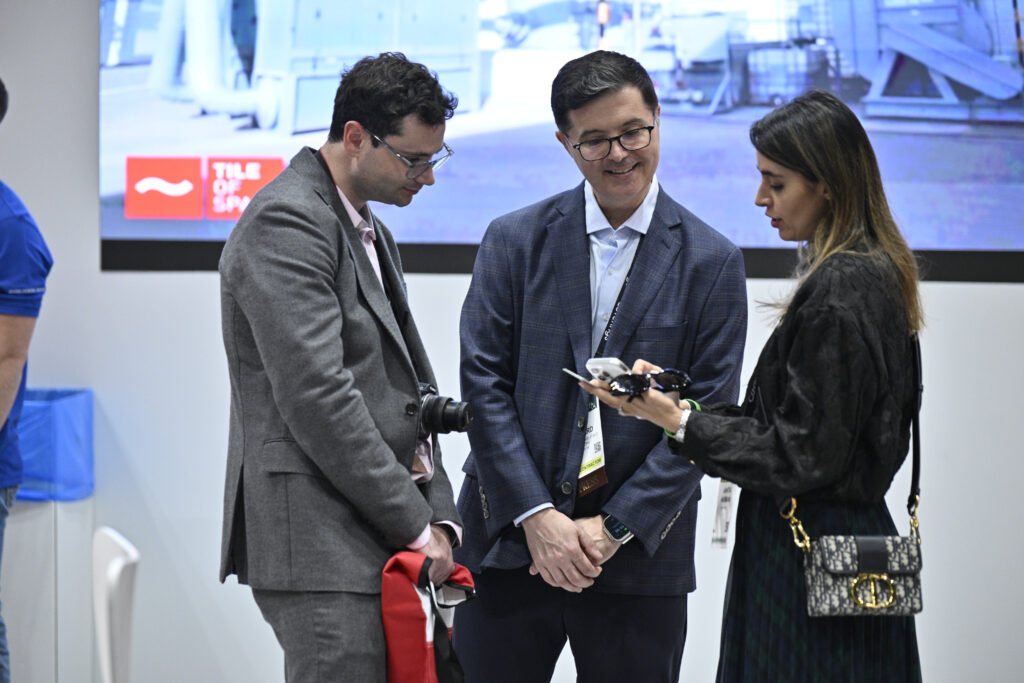
The impact of experiential marketing does not end when the show concludes. The memorable interactions created at a brand’s booth provide a strong foundation for personalized, high-value follow-ups.
Businesses should use the specific experiences with which attendees engaged—such as demos, interactive tools or AR elements—as reference points in their outreach. This reinforces brand recall and makes follow-up communication feel intentional and relevant. Pair these touchpoints with tailored resources that match each prospect’s interests, such as product guides, case studies, or invitations to deeper demonstrations.
Data gathered during booth interactions can also help prioritize high-intent leads and guide strategic nurturing. Post-show exclusives, targeted retargeting and personalized messages from sales teams all help maintain momentum. When experiential marketing successfully connects attendees to a brand story, it becomes significantly easier to convert curiosity into long-term customer relationships.
Catalyst for Change
When done well, experiential marketing turns trade show participation into something more powerful than a simple exhibit—it becomes a catalyst for meaningful connection, stronger brand storytelling and tangible growth. By blending immersive design, intentional engagement and data-driven follow-through, companies can create experiences that resonate long after attendees leave the show floor.
Maximizing impact requires a unified approach—one that aligns PR, strategic planning and experiential marketing execution into a cohesive program that supports business goals. Partnering with a top experiential marketing agency like Eberly & Collard Public Relations can help bring that integration to life, ensuring your trade show presence attracts the right audiences, deepens engagement and converts interactions into lasting value.
