
Eberly & Collard
Get Started
  • Home
  • About
    • About ECPR
    • Leadership
    • FAQ
    • Process
    • Careers
  • Expertise
    • Expertise
    • Integrated Marketing
    • Branding
    • Digital Marketing
    • Public Relations
    • Media Relations
    • Advertising
  • Industries
    • Industries & Sectors
    • Architecture
    • B2B Professional Services
    • Building Products
    • Construction
    • Consumer Products & Services
    • Engineering
    • Horticulture & Landscape
    • Hospitality & Travel
    • Interior Design
    • Kitchen & Bath
    • Real Estate Development
  • Portfolio
  • Blog
  • Contact
Home » 2025 » Archives for December 2025

Archives for December 2025

How to Maximize ROI with Experiential Marketing for Trade Shows

December 8, 2025 By ECPR Team Leave a Comment

Trade shows remain one of the most effective environments for business-to-business (B2B) companies to build relationships, strengthen brand visibility and generate high-value leads. That said, simply exhibiting at a trade show in a booth is no longer enough to stand out in the crowd. Attendees expect meaningful interactions, purposeful storytelling and experiences that help them understand the real impact of products or services.

This is where experiential marketing, a marketing strategy that engages the customer through immersive or memorable experiences, comes in. Businesses can leverage experiential marketing strategies into their overall trade show marketing plan to create noteworthy interactions with trade show booth attendees, boost customer experience, drive lead generation and achieve measurable return on investment (ROI).

experiential marketing

What Is Experiential Marketing for Trade Shows?

Experiential marketing at trade shows focuses on creating immersive, participatory encounters at an exhibit booth that help prospects or leads experience a brand firsthand. Instead of telling attendees what a business offers, this discovery-based approach allows them to explore, test or engage with it in a way that feels memorable and relevant.

This can take many forms, such as:

  • Immersive booth design that encourages exploration.
  • Hands-on product demonstrations or guided walk-throughs.
  • Digital elements like virtual reality (VR) and augmented reality (AR), interactive screens or data-driven engagement tools.

Behind every strong experiential program is a well-planned strategy—often supported by a trade show marketing agency, like Eberly & Collard Public Relations, that understands how to align creative concepts with business goals, audience behaviors and measurable outcomes.

Strategies to Maximize ROI with Experiential Marketing

There are nearly countless ways to execute trade show experiential marketing. This section breaks down practical and high-impact experiential marketing strategies exhibitors can use to strengthen engagement and ROI.
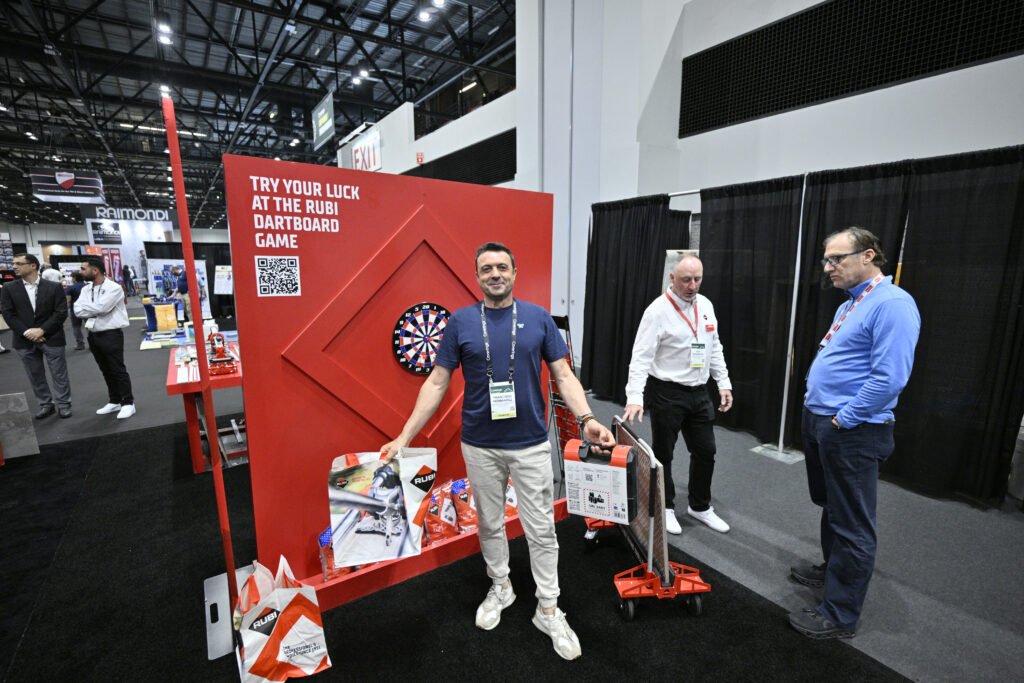
trade show marketing

  • Interactive Technology & Gamification

Digital engagement tools—like touchscreen quizzes, product comparison tools or AR experiences—offer dual benefits. They attract traffic and organically capture data, allowing sales and marketing teams to measure interaction length, preferences and intent. Additional non-digitized gamification strategies to increase booth attendance and gather lead information could include simple in-booth games for small prizes and raffles in which attendees enter their information for a chance to win. – The raffle winners could be announced daily throughout the trade show’s duration, or multiple winners could be announced during a “Happy Hour” held in the exhibit booth to attract leads to the booth.

  • Immersive Booth Environments

Designing a booth that feels dynamic and sensory-driven helps attendees understand a business’ value more intuitively. Elements such as VR walkthroughs, live demonstrations or spaces designed to replicate real-world product usage environments give prospects a clearer picture of how the brand’s solution fits into their work and day-to-day needs. These interactions often lead to longer dwell times and more qualified conversations.

  • Personalized Customer Journeys

Attendees want information tailored to their needs. Using data-driven insights and pre-event targeting, customize booth interactions and tours based on attendee interests. Attendee interests can include buyer type, industry or sector, specific interests, or other solutions that solve their challenges. Apply these interests to tailor pre- and post-event messaging to increase conversion likelihood.

  • Social Media Integration

Trade show moments have the potential to reach far beyond the event floor. Photo stations, branded installations or interactive elements that encourage social media engagement and interactions help extend a brand’s visibility to broader online audiences. Supplement these with strategic collaborations with industry influencers to generate buzz and third-party endorsements in real time. Many trade shows use show-specific hashtags, which are an excellent way to increase reach.

  • Purposeful Promotional Giveaways

Giveaways remain a staple, but the most effective ones align directly with a brand’s voice and encourage post-show engagement. When concepting and implementing a giveaway, consider items that tie directly to the brand’s products or services or act as conversation starters during the show and for follow-ups. Utility and relevance make promotional items far more impactful than generic handouts. – Everyone has received a free pen or random magnet that gets thrown out the day after the trade show ends. Branded portable chargers or coffee tumblers, items that can be used and seen during and after the event, are much more valuable.

  • Lead Generation Tactics

The strongest experiential marketing strategies blend human-to-human connection with the efficiency of digital systems. Simple elements like scannable QR codes, digital literature or sign-up kiosks streamline data collection. Integrating these tools into a company’s CRM or marketing automation platform creates a more seamless post-show follow-up and conversion process and helps ensure no qualified lead goes unnoticed after the event.

Tracking Engagement Metrics and Measuring ROI

Once the trade show experiential marketing strategies have been executed, it is time to track the performance metrics and measure ROI. Tracking performance allows businesses to justify investment, refine future strategies and evaluate which experiences drive the strongest outcomes.

Key performance metrics include:

  • Booth traffic and dwell time: Indicate interest level and engagement quality.
  • Social mentions and impressions: Demonstrate the extended reach of a brand’s experience.
  • Lead scoring: Identify which prospects are most likely to become customers on a scale of 1-5, and help prioritize post-show contacts with the strongest leads.
  • Lead conversions post-event: Highlight how well booth interactions are translated into real opportunities.
  • Customer sentiment and feedback: Provide insight into what resonated most with attendees.

Post-show analysis is essential. Reviewing digital engagement, CRM performance and qualitative feedback provides a holistic view of which experiential marketing components positively influenced ROI.

Turning Trade Show Leads into Lasting Relationships
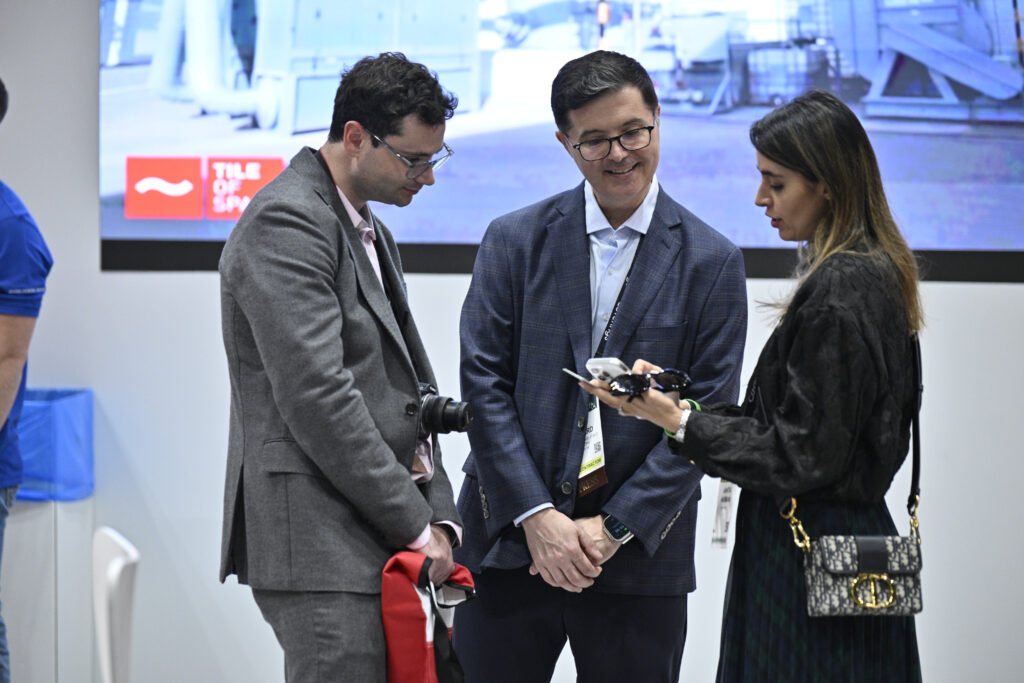
trade show marketing agency

The impact of experiential marketing does not end when the show concludes. The memorable interactions created at a brand’s booth provide a strong foundation for personalized, high-value follow-ups.

Businesses should use the specific experiences with which attendees engaged—such as demos, interactive tools or AR elements—as reference points in their outreach. This reinforces brand recall and makes follow-up communication feel intentional and relevant. Pair these touchpoints with tailored resources that match each prospect’s interests, such as product guides, case studies, or invitations to deeper demonstrations.

Data gathered during booth interactions can also help prioritize high-intent leads and guide strategic nurturing. Post-show exclusives, targeted retargeting and personalized messages from sales teams all help maintain momentum. When experiential marketing successfully connects attendees to a brand story, it becomes significantly easier to convert curiosity into long-term customer relationships.

Catalyst for Change

When done well, experiential marketing turns trade show participation into something more powerful than a simple exhibit—it becomes a catalyst for meaningful connection, stronger brand storytelling and tangible growth. By blending immersive design, intentional engagement and data-driven follow-through, companies can create experiences that resonate long after attendees leave the show floor.

Maximizing impact requires a unified approach—one that aligns PR, strategic planning and experiential marketing execution into a cohesive program that supports business goals. Partnering with a top experiential marketing agency like Eberly & Collard Public Relations can help bring that integration to life, ensuring your trade show presence attracts the right audiences, deepens engagement and converts interactions into lasting value.

Filed Under: Uncategorized

Maximizing 2026 Meta Performance with Creator-Driven Ad Content

December 2, 2025 By ECPR Team Leave a Comment

The businesses achieving the strongest performance in Meta Business Suite and Ads Manager today—and positioned to continue doing so in 2026—are moving beyond incremental campaign adjustments. They are reengineering how Meta ads are built by integrating creator content directly into the paid advertising process through Meta partnership ads.

For a long time, brands have managed influencer and creator content separately from their paid advertising. Influencers would post organically on their own channels, while conversion-focused ads ran only from a business’s account, with little connection between the two. Creators were largely used for product or brand awareness at the top of the funnel, and their impact was measured by likes, impressions and saves rather than conversion metrics. Meanwhile, paid social media execution focused on traditional ad formats created by the business or its Meta ads agency.

That separation made practical sense in earlier phases of social media marketing. However, Meta’s evolution now favors content that feels native to the feed. Ads activated through creator identities often perform better than polished brand content, driving lower acquisition costs and stronger progression from click to conversion.

social advertising strategy

This shift has prompted leading marketing teams to rethink their approaches. The question is no longer whether creators should be involved in brand campaigns at all, but how their content can be structured, licensed and deployed inside Meta’s paid system to improve measurable outcomes.

Why Creator-Led Paid Partnerships Are Outperforming Traditional Ad Models

To understand why this shift is occurring, it is useful to consider how creator-led Paid Partnership campaigns are run in comparison to more traditional Meta ad formats.

influencer contract

In practice, Meta partnership ads involve the brand and creator aligning on the content concept and usage terms up front. The creator then publishes the post under their own handle, and the brand sends a Paid Partnership request through Meta to secure ad usage rights. Once approved, the content is activated in Ads Manager—sometimes even served from the creator’s account—for targeted distribution, testing, and ongoing optimization within the brand’s performance campaigns.

Meta’s internal studies indicate higher purchase intent and cost efficiency when campaigns combine creator-led assets with paid targeting. The explanation is fairly straightforward: Audiences respond more naturally to brand storytelling that mirrors peer behavior and online recommendations.

Creator-generated Reels and Stories tend to feel contextual, relatable and experience-based, which often generates more engagement and conversion than ads repurposed from static brand creative. When deployed using Meta’s Paid Partnership functionality, ad assets retain the creator’s authenticity while benefiting from advanced media targeting and measurement frameworks.

Structuring Creator-Led Ads: From Micro-Creator Strategy to Paid Activation

A key advantage of creator-driven advertising lies in pairing micro-creator strategy with direct Paid Partnership activation inside the Meta Ads Manager platform—one of the most effective models for how to integrate creator content into Meta ads at scale.

Rather than investing heavily in content from a small number of macro-influencers, forward-thinking teams are working with multiple micro-creators—individuals with smaller but highly engaged followings, often aligned to niche audience segments or professional interests. Their content packages are generally more cost-accessible, which enables broader testing and greater creative variance without the financial risk typically associated with high-profile creator campaigns.

The goal is not to rely on organic reach. Performance scale is generated through paid media. Marketing teams and agencies test multiple creator-led assets at a lower initial cost, evaluate which variations resonate most effectively, then use Meta’s amplification tools to scale only the top performers.

To execute this effectively, campaign workflows must be structured around Paid Partnership activation from the start. This involves:

  • Researching and selecting creators strategically, based on audience alignment and messaging fit
  • Planning the content concept collaboratively, so assets are designed for both visual resonance and performance use
  • Negotiating usage rights and influencer contract terms upfront, ensuring clarity around paid licensing and ad deployment

Meta partnership ads

Once the creator publishes their post on Instagram or Facebook, the brand initiates a Paid Partnership request through Meta. After creator approval, the content becomes accessible in Ads Manager as a fully enabled ad unit—eligible for targeting, A/B testing, optimization, and scaling across campaign objectives.

Performance Testing and Full-Funnel Measurement

Unlike organic influencer posts, which are typically evaluated using surface-level engagement metrics such as likes and comments, influencer ads via Meta campaigns require measurement against full-funnel business indicators. Depending on the objective—whether direct sales, registrations, inquiries, or qualified traffic—brands should prioritize metrics such as:

  • Cost Per Acquisition (CPA)
  • Return on Ad Spend (ROAS)
  • Observed conversion lift
  • Progression from initial interaction to next-step action (e.g., video view → landing page visit → purchase or inquiry submission)

This methodology applies across industries. A consumer brand may measure e-commerce conversion or add-to-cart behavior; a business-to-business manufacturer or design company may track specification requests, demo bookings or event registrations. In both scenarios, the purpose of creator-led ads shifts from generating visibility to proving performance.

influencer ads

Organizations can still see success by managing influencer relationships and Meta ads independently. However, when assessed in contrast, unified execution consistently achieves faster optimization cycles, greater testing depth and stronger aggregate impact.

In other words, running influence marketing and Meta advertising workflows separately can work—but rarely with the same effectiveness as when creator content, activation strategy, and paid optimization are coordinated in tandem.

Implementing Creator-Driven Performance at Scale

As creator-led advertising and paid systems continue to converge, the traditional division between influencer marketing and performance media is diminishing. With Meta’s tools now enabling campaigns to activate creator content within structured ad frameworks, successful execution requires alignment across several key areas, including:

  • Influencer partnerships with pre-planned usage and licensing terms
  • Content strategy tied to business objectives
  • Media planning and ad optimization within Meta
  • Performance analysis beyond engagement-based metrics

Most companies’ internal marketing and social media teams are not yet structured to manage that integration across departments or internal approvals, which is why many brands are turning to external partners, such as digital marketing agencies that specialize in influencer marketing, with cross-functional capability.

How Strategic Agency Support Accelerates Adoption

Partnering with a digital public relations and marketing agency experienced in both influencer relations and Meta advertising allows businesses to activate this approach without disrupting existing structures by providing:

  • Contract design and usage-right oversight for Paid Partnership activation
  • Strategic content planning aligned with influence and conversion objectives
  • Meta Ads Manager configuration and optimization
  • Ongoing data and analytics review, along with campaign refinements

This shift transforms creator content from isolated awareness deliverables into fully measurable revenue assets within Meta Ads Manager. As Meta’s platform continues to evolve in 2026, the brands positioned to benefit most will be those willing to adapt—reassessing their social advertising strategy instead of remaining complacent with current performance.

The real opportunity is not simply in partnering with creators, but in strategically integrating their content through Meta’s Paid Partnership framework and activating it as part of performance campaigns.

Eberly & Collard Public Relations works with businesses to build and manage fully integrated creator-led campaigns. If your 2026 Meta strategy includes creator content (and it should) now is the time to operationalize it with the right structure, partnership model and performance metrics.

Learn how ECPR can support your Meta and influencer strategy by contacting us at: www.ecpr.com/contact.

Filed Under: Uncategorized

Expertise Best PR Firms New York
50Pros 2025 Top PR Firms
Best Branding Agency award
2025 ABC Badge

Expertise

  • Expertise
  • Integrated Marketing
  • Branding
  • Digital Marketing
  • Public Relations
  • Media Relations
  • Advertising

About

  • About Us
  • Leadership
  • FAQ
  • Process

Industries

  • Industries
  • Architecture
  • B2B Professional Services
  • Building Products
  • Construction
  • Consumer Products & Services
  • Engineering
  • Horticulture & Landscape
  • Hospitality & Travel
  • Interior Design
  • Kitchen & Bath
  • Real Estate Development
  • Portfolio
  • Blog
  • Get Started
  • Locations
Eberly & Collard

A national firm specializing in integrated marketing communications, corporate branding, product positioning, public / media relations, and digital / social media.

ATLANTA

1355 Peachtree Street NE, Suite 1260
Atlanta, GA 30309-3273
404-574-2900

NEW YORK

1740 Broadway, Floor 15
New York, NY, 10019-4605
332-334-2900

© 2026 Eberly & Collard PR  |  privacy policy  |  site map  |  website design by Sumy Designs, LLC.